

Walk through any natural skincare aisle or scroll through a clean beauty feed, and you will likely come across one ingredient that raises eyebrows: beef tallow. This rendered fat, once a pantry staple for frying and soap making, has found new life as a face and body moisturizer. Grass-fed beef tallow skincare is gaining attention for its simple ingredient list and its reported ability to soothe dry, irritated skin. But does it work, and is it right for everyone? Here is a closer look at the facts.
What Is Beef Tallow?
Beef tallow is rendered fat taken from cattle, specifically the fat that surrounds the loins and kidneys, known as suet. When heated and strained, it becomes a shelf-stable cream or solid that can be used in cooking, candle making, and skincare. Tallow has been used for centuries in traditional soap making and as a healing balm, and it is making a strong comeback in the natural beauty world.
Its nutrient profile is a major reason for the renewed interest. Grass-fed tallow is naturally high in vitamins A, D3, E, K2, B1, B4, and B12. It is composed of about 50% saturated fat, 42% monounsaturated fat, and 4% polyunsaturated fat. This composition matters because it closely mimics the oils that human skin naturally produces, a substance called sebum. In fact, the Latin word for tallow, sebum, is the same word used for the skin's own oil.
Potential Benefits of Grass-Fed Tallow for Skin
Supports the Skin Barrier
Because tallow's fatty acid profile is similar to human sebum, it can absorb into the skin and help reinforce the skin barrier. The skin barrier is the outermost layer that keeps moisture in and irritants out. When that barrier is compromised, skin can become dry, flaky, or sensitive. A 2024 scoping review published in Cureus concluded that tallow can increase fatty acid concentration in the skin and may help with conditions like dermatitis, psoriasis, dry skin, and wound healing.
Deep Moisture Retention
Tallow is an occlusive moisturizer, meaning it sits on top of the skin and slows down water loss. This makes it particularly useful for dry patches, cracked heels, and areas that need heavy hydration. People with eczema often turn to tallow balms because the fat provides a protective layer that locks in moisture without the need for long ingredient lists filled with preservatives or fragrance.
Anti-Inflammatory Properties
Along with barrier support and moisture retention, research also points to anti-inflammatory benefits. The vitamins found in grass-fed tallow, especially vitamins A and E, are known for their role in calming redness and supporting skin repair. This is why some people use tallow balms on minor scrapes, chapped lips, or windburned faces.
Grass-Fed vs. Grain-Fed Tallow: Is There a Difference?
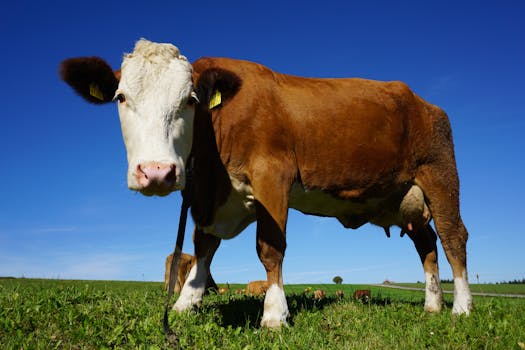
Not all tallow is created equal. The diet of the cattle directly affects the nutrient content of the fat. Grass-fed tallow is reported to have higher levels of vitamins and beneficial fatty acids compared to grain-fed tallow. One study cited by natural skincare sources found that grass-fed tallow contains a richer array of nutrients, which translates to more potential skin benefits. When shopping for tallow skincare, look for labels that specify grass-fed.
How Tallow Compares to Standard Moisturizers
If you are used to water-based lotions, tallow will feel different. Tallow is an oil-based moisturizer, so it feels heavier and greasier on the skin than a typical drugstore cream. It also takes longer to absorb. In cold weather, the solid balm may need to be warmed between your fingers before application. Users consistently report that tallow provides very deep hydration, but the texture is a shift from what most people expect.
Traditional water-based moisturizers often contain humectants like glycerin that pull water into the skin, plus preservatives and synthetic fragrances. Tallow balms are simpler, sometimes containing only tallow and a few essential oils for scent. The trade-off is that tallow may not suit everyone, especially those with oily or acne-prone skin, because of its occlusive nature.
Who Should Try Tallow Skincare?
Tallow is best suited for people with dry, rough, or compromised skin. It is commonly used for eczema, cracked heels, chapped lips, and general dry patches. The low comedogenic profile of tallow (rated a 2 on a scale of 0 to 5) means it is moderately unlikely to clog pores, but it is not risk-free. Those with active breakouts or easily clogged pores should proceed with caution. Tallow is not suitable for vegans or anyone avoiding animal products.

What to Look for When Buying a Tallow Balm
The quality of a tallow balm depends on the sourcing and processing methods. Here are a few things to check before buying:
- Source: Is the tallow from grass-fed, pasture-raised cattle?
- Scent: Plain tallow has a mild, beefy smell. Many brands add essential oils like lavender or rosemary to mask it. Decide whether you prefer scented or unscented.
- Ingredients list: A good balm will have a short list. At minimum, it should be tallow plus optional oils like olive or jojoba.
Practical Tips for Using Tallow Skincare
If you decide to try a tallow balm, a little goes a long way. Scoop a small amount with a clean finger or a tiny spatula. Warm it between your fingertips until it softens, then press or smooth it onto clean skin. Because it is heavy, many people use it primarily at night as a sleeping mask for the face or as a body butter after a shower. Some users also apply it to dry elbows, knees, and feet before putting on socks or gloves.
One note on storage: tallow is shelf-stable at room temperature, but it can become very hard in cold weather and very soft in heat. Keep the jar in a cool, dry place, and avoid leaving it in a hot car or direct sunlight.
Is Tallow Skincare Right for You?
Grass-fed beef tallow skincare is a minimalist option that delivers deep moisture and supports the skin barrier with real vitamins and fats. It does not promise to cure acne or replace prescription skincare. For people dealing with dry skin, eczema, or cracked heels, it can be a welcome alternative to lotions filled with synthetic ingredients. If you are curious, start with a small jar of our Grass-Fed Whipped Tallow Balm. Pay attention to how your skin reacts, especially if you are prone to breakouts. Tallow is not a one-size-fits-all solution, but for many people, it is a return to a simple, traditional way of caring for skin.
Frequently Asked Questions
Does grass-fed beef tallow clog pores?
Tallow has a comedogenic rating of 2, meaning it is moderately unlikely to clog pores. However, because it is an occlusive moisturizer, people with acne-prone or oily skin should test it on a small area first. Some individuals with active breakouts find that tallow aggravates their skin, while others use it without issues.
Can I use beef tallow on my face every day?
Yes, many people use tallow balm daily as a facial moisturizer, often at night because of its rich texture. Start with a pea-sized amount and warm it between your fingers before applying. If you have normal to dry skin, daily use is generally well tolerated. Monitor your skin for any changes.
Does tallow skincare smell like beef?
Plain, unrefined tallow has a mild, beefy scent that some people notice more than others. Many brands add essential oils such as lavender, rosemary, or vanilla to mask the natural odor. If you are sensitive to smells, look for an unscented version or a balm with very light botanical oils.
How long does a jar of tallow balm last?
A 4-ounce jar of tallow balm can last several months when used sparingly. Because tallow is rich, you only need a small amount per application. Shelf life varies by brand and added ingredients, but pure tallow is naturally stable at room temperature and can last a year or longer when stored properly.
Is grass-fed tallow better than grain-fed tallow for skin?
Grass-fed tallow is reported to have higher levels of vitamins and beneficial fatty acids than grain-fed tallow. This higher nutrient content is the main reason grass-fed versions are preferred for skincare. The source of the fat also tends to come from more ethically raised cattle, which matters to many consumers.
0 comments